

Authors
Asia Limits
Asia Limits’ editorial and analytical desk.
7 published articlesPublished articles
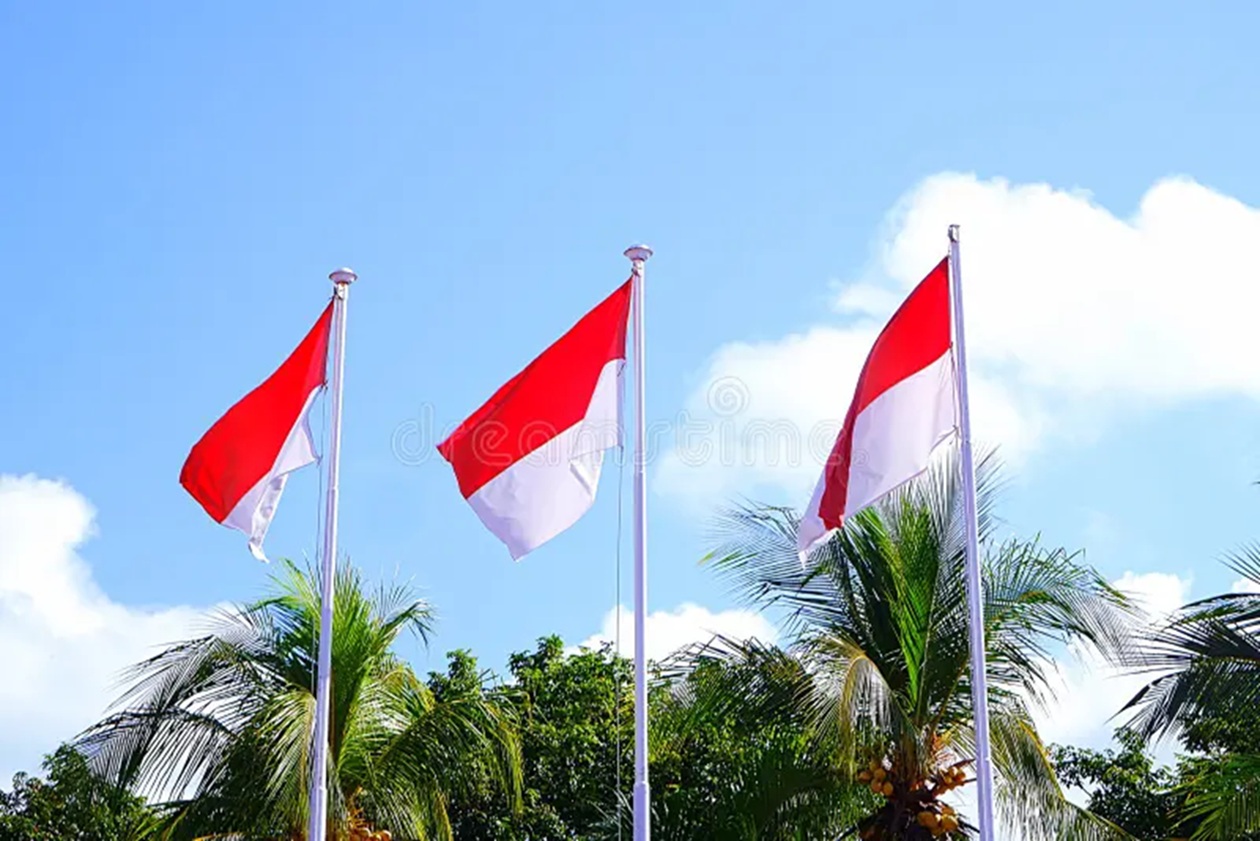
Indonesia: The Quiet Giant of the Indo-Pacific
With more than 285 million people, some 17,000 islands, Southeast Asia’s largest economy and a geographic position at the heart of the maritime routes connecting the Indian and Pacific Oceans, Indonesia possesses nearly all the attributes of a major power. Yet it remains relative
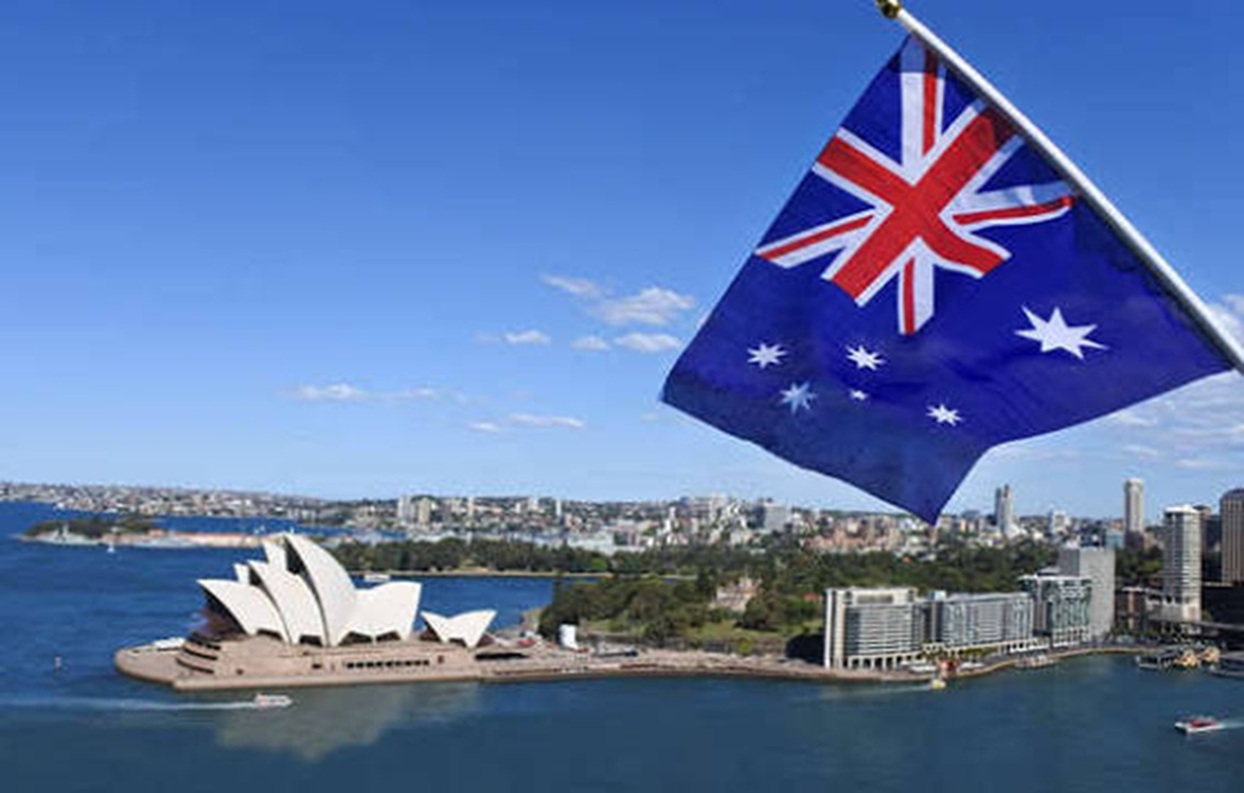
Australia: Between Asia and the West
Australia occupies a singular position in the international system. Geographically, it belongs fully to the Indo-Pacific. Historically, institutionally and strategically, it remains deeply connected to the Western world. Economically, meanwhile, it depends heavily on trade with A
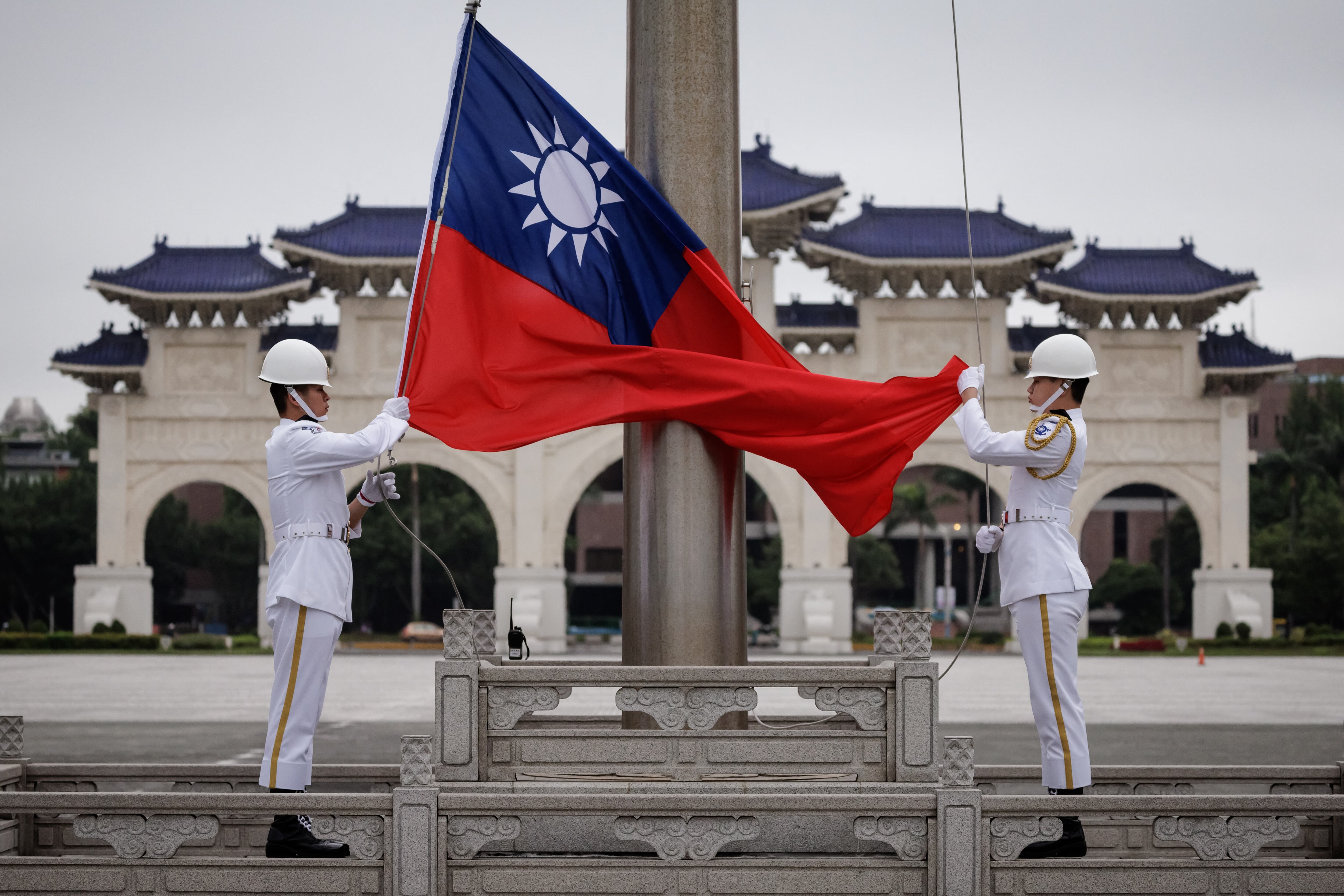
Taiwan: At the Heart of the Strategic Balance of the 21st Century
Between Democratic Governance, Technological Leadership, and Global Power Competition
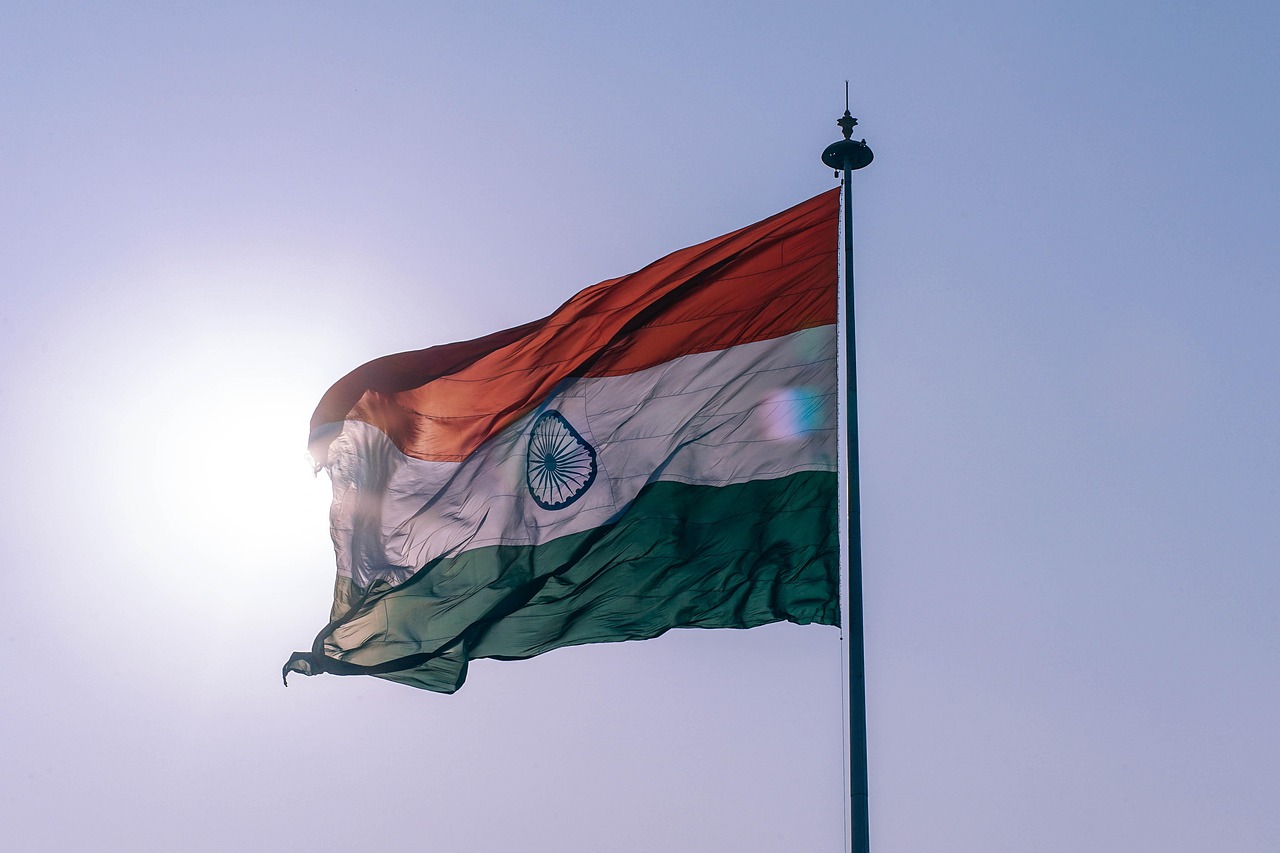
India: The Rise of a Civilizational Power in a Changing World Order
Part I — A Civilization Older Than the Modern State India cannot be understood solely through the prism of the modern state established in 1947. Its contemporary influence is rooted in a civilization that stretches back several millennia, making it one of the oldest continuous ci
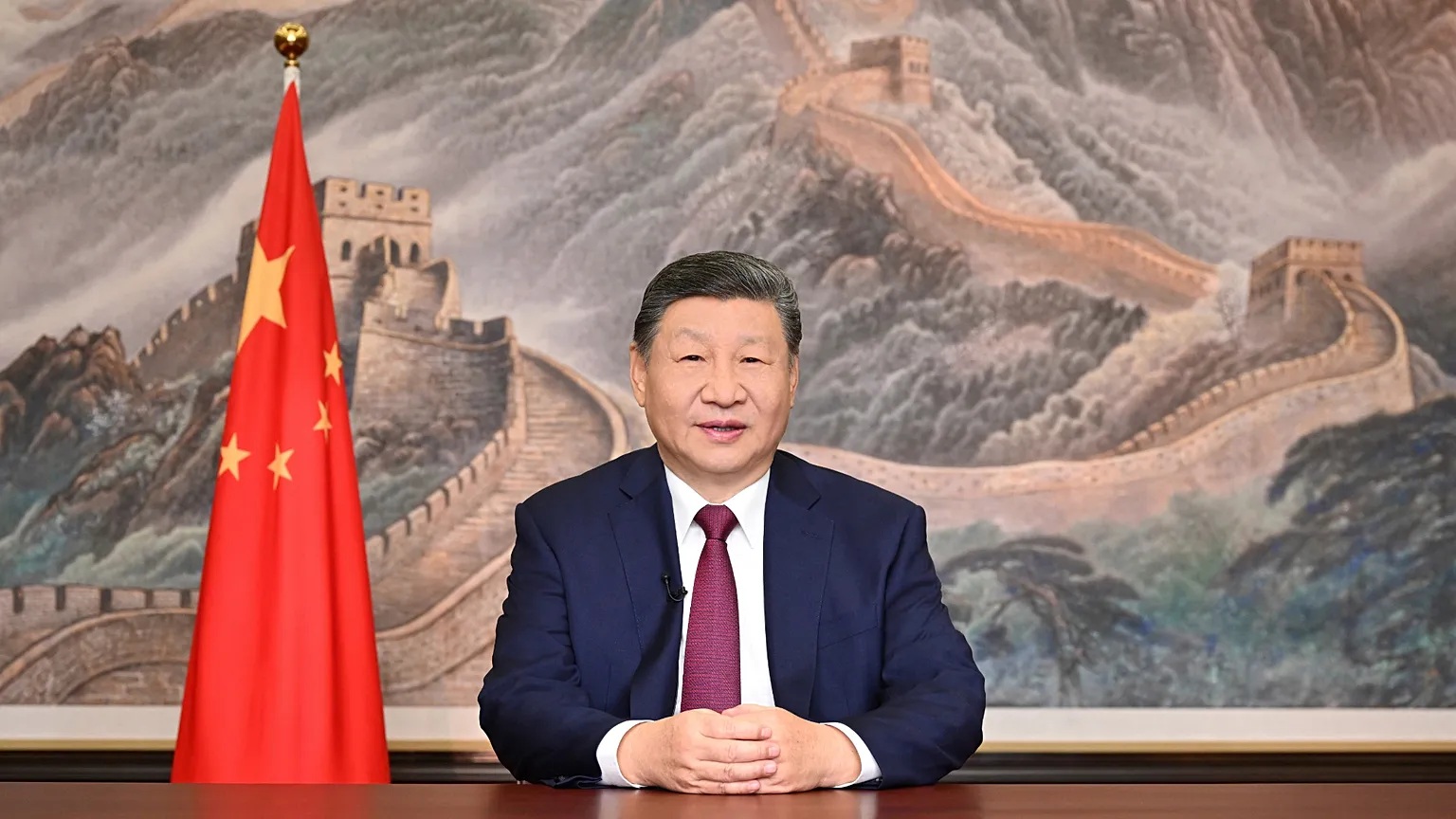
Xi Jinping: The Man Redefining Chinese Power
Introduction Few Chinese leaders have shaped their era as profoundly as Xi Jinping. Since taking power in 2012, he has transformed China’s system of governance, recentralized authority around the Communist Party, accelerated military modernization, and committed the country to a
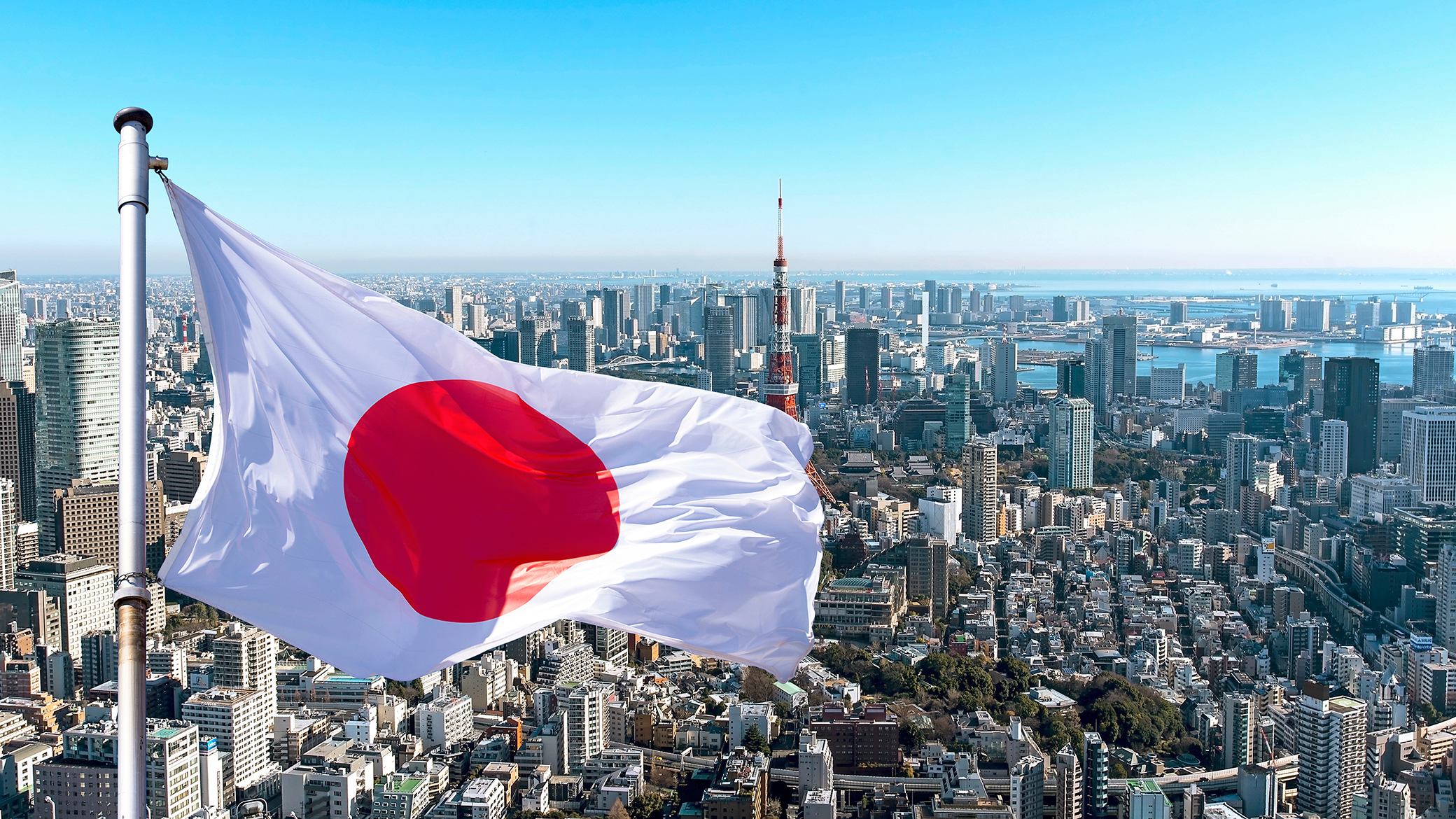
Japan: The Resilience of a Power Confronting the Challenges of the Twenty-First Century
For more than seventy years, Japan has occupied a distinctive position in the global balance of power. The world’s third-largest economy for several decades, a laboratory of technological innovation, a major industrial power and an essential diplomatic actor in the Indo-Pacific,
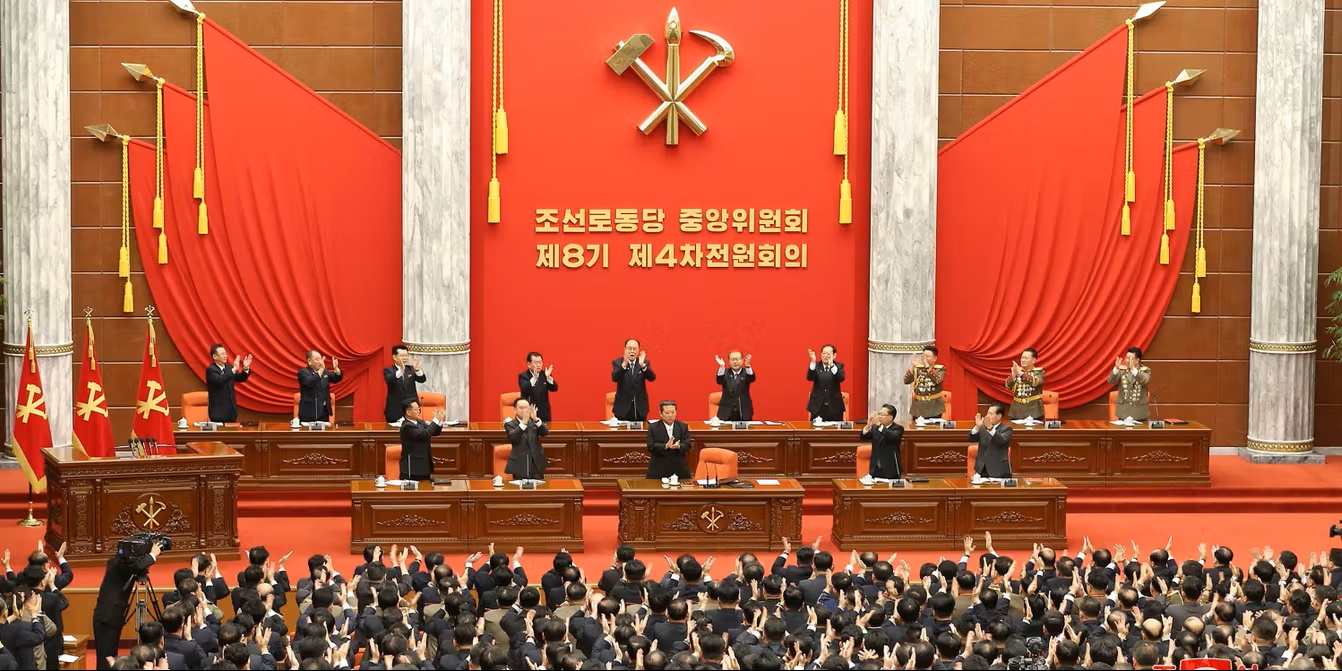
North Korea: a non-conventional approach to the exercise of power
North Korea occupies a singular position within the international system. With limited economic capacity and weak integration into global trade, it nonetheless remains a strategic actor factored into the calculations of major powers. This position is rooted in a mode of exercisin